
Book appointment   Call (516) 240-9072
Jutkowitz logo revised
Phone icon
  • Location & hours
  • Blog
  • Pay my bill
  • Patient login
  • Contact
  • Patient referrals
  • Careers
  • (516) 240-9072
    • Meet our team
    • Edward I. Jutkowitz, DMD
    • Rabia Mujtaba, DDS
    • All-on-4® by Nobel Biocare
    • Botox Fillers
    • Dental Implants
    • Emergency Dentist
    • Fillings, Crowns & Bridges
    • Gum Treatment
    • Implant-Supported Denture
    • Periodontics
    • Sedation Dentistry
    • Sleep Apnea Treatment
    • Teeth Whitening
    • Tooth Extractions
    • Dental payment options
    • Dental insurance
    • Dental financing
    • Good faith estimate
    • About our practice
    • Patient information
    • Dental reviews
    • Surgical instructions
    • Patient stories
  • Book appointment

Home

Blog

Can Chronic Disease Affect Your Dental Implants?

Can Chronic Disease Affect Your Dental Implants?

October 11, 2021 By Jutkowitz Periodontics & Implantology

Can Chronic Disease Affect Your Dental Implants?

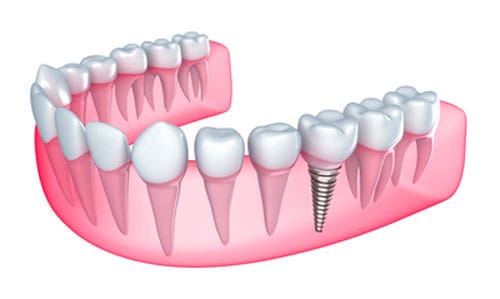
Dental implants are a great way to restore complete teeth function and gum health. However, they are not for everybody, as people with chronic diseases might not be good candidates for implants.

People with chronic diseases such as diabetes, heart disease, and other diseases with inflammation may not respond well to dental implants like other individuals with no underlying conditions. A consultative visit to see our dental professional is the best way to decide if a person with chronic disease is eligible for a dental implant.

How Does Chronic Diseases Affect Your Dental Implants?

Placing dental implants depends on the strength and bone density of the jawbone. If an individual, for example, has chronic gum disease that weakens the bone structure, the bone might not have enough density to properly support the implant. There is enough bone for the procedure in some cases, but it might not still work if the patient has progressive periodontal disease.

Other chronic diseases might affect the body’s response to the procedures done during implantation. For example, a patient with diabetes has a higher risk of infection compared to other people. The same goes for individuals with tuberculosis and other conditions that weaken the immune system.

Some individuals have chronic conditions that may affect their ability to care for their implants. Since the success of dental implants also relies on good oral hygiene, people with chronic illnesses that affect their ability to take care of themselves may not be suitable candidates for this procedure.

However, if you have a chronic disease and feel the need for dental implants, there are some exceptions, and having a new set of teeth through implants is possible. Our skilled and friendly staff will give you a thorough assessment to see if you fit the procedure. Visit us anytime and begin your journey to a complete, bright smile.


Recent articles

July Blog 2025 Can Gum Disease Be Reversed Can Gum Disease Be Reversed?
July Blog 2025 How Your Summer Eating Habits and Diet May Be Affecting Your Teeth How Your Summer Eating Habits and Diet May Be Affecting Your Teeth
Beyond the Jaw Other Medical Uses for Botox Beyond the Jaw: Other Medical Uses for Botox

Book your appointment today.

70 Glen Cove Road, Roslyn Heights, NY 11577
Call our office at (516) 240-9072.
Book appointment
Jutkowitz Periodontics & Implantology logo ko
  • All-on-4® by Nobel Biocare
  • Botox Fillers
  • Dental Implants
  • Emergency Dentist
  • Fillings, Crowns & Bridges
  • Gum Treatment
  • Implant-Supported Denture
  • Periodontics
  • Sedation Dentistry
  • Sleep Apnea Treatment
  • Teeth Whitening
  • Tooth Extractions
  • Find a dentist near you
  • Privacy policy
  • Notice of Privacy Practices
  • Site map

© 2026 Jutkowitz Periodontics & Implantology. All rights reserved. The above-listed practice complies with applicable Federal civil rights laws and does not discriminate on the basis of race, color, national origin, age, disability, or sex. Notice of non‑discrimination.

(516) 308-2995