
Book appointment   Call (516) 240-9072
Jutkowitz logo revised
Phone icon
  • Location & hours
  • Blog
  • Pay my bill
  • Patient login
  • Contact
  • Patient referrals
  • Careers
  • (516) 240-9072
    • Meet our team
    • Edward I. Jutkowitz, DMD
    • Rabia Mujtaba, DDS
    • All-on-4® by Nobel Biocare
    • Botox Fillers
    • Dental Implants
    • Emergency Dentist
    • Fillings, Crowns & Bridges
    • Gum Treatment
    • Implant-Supported Denture
    • Periodontics
    • Sedation Dentistry
    • Sleep Apnea Treatment
    • Teeth Whitening
    • Tooth Extractions
    • Dental payment options
    • Dental insurance
    • Dental financing
    • Good faith estimate
    • About our practice
    • Patient information
    • Dental reviews
    • Surgical instructions
    • Patient stories
  • Book appointment

Home

Blog

How Do You Treat Periodontal Disease?

What is the Main Cause of periodontal Disease?

February 8, 2021 By Jutkowitz Periodontics & Implantology

How Do You Treat Periodontal Disease?

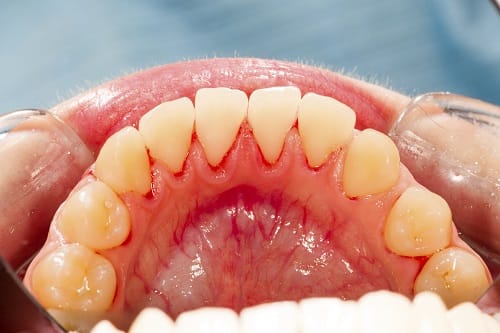
Periodontal disease is an inflammation of the gums caused by bacteria and plaque build-up on the tooth. This disease is also known as periodontitis. To prevent this common dental infection, it is important to proper dental hygiene and schedule regular dental appointments at our office.

Safeguarding Your Mouth from Periodontal Disease

Treatment of periodontitis includes removing plaque buildup around the tooth; this can be either surgical or using prescribed procedures and antibiotics. There are many ways to get rid of bacteria in the mouth. At our clinic, we offer professional dental cleaning to remove plaque and tartar from each tooth. Another way is through dental surgery.

If the periodontitis is severe, then surgical methods like flap surgery are the best option. In this procedure, there is raising of the tooth gum to remove plaque. Afterward, the gum is surgically placed back on the tooth to prevent bacteria from building up in between the spaces.

Daily dental care like brushing and flossing can easily prevent periodontal disease. When brushing, focus on the tongue, which holds many bacteria from all the food you eat. Using toothpaste that contains fluoride can also help reduce plaque. You can also use an antimicrobial mouthwash to reach the mouth’s hidden parts where bacteria build up. By doing this, you can help prevent bacteria build-up and plaque.

Why You Should Brush and Floss Often

To prevent bacteria build-up, you should brush your teeth twice a day, after meals. A soft bristled toothbrush does an excellent job of removing bacteria from the top of the tooth. Using floss frequently cleans between spaces of the tooth to remove food particles. Periodontitis can recur if proper dental care is not maintained.

Periodontal disease can lead to loss of the affected tooth if not treated on time. If you have any symptoms of periodontal disease, please do not hesitate to visit our clinic for professional treatment.


Recent articles

July Blog 2025 Can Gum Disease Be Reversed Can Gum Disease Be Reversed?
July Blog 2025 How Your Summer Eating Habits and Diet May Be Affecting Your Teeth How Your Summer Eating Habits and Diet May Be Affecting Your Teeth
Beyond the Jaw Other Medical Uses for Botox Beyond the Jaw: Other Medical Uses for Botox

Book your appointment today.

70 Glen Cove Road, Roslyn Heights, NY 11577
Call our office at (516) 240-9072.
Book appointment
Jutkowitz Periodontics & Implantology logo ko
  • All-on-4® by Nobel Biocare
  • Botox Fillers
  • Dental Implants
  • Emergency Dentist
  • Fillings, Crowns & Bridges
  • Gum Treatment
  • Implant-Supported Denture
  • Periodontics
  • Sedation Dentistry
  • Sleep Apnea Treatment
  • Teeth Whitening
  • Tooth Extractions
  • Find a dentist near you
  • Privacy policy
  • Notice of Privacy Practices
  • Site map

© 2026 Jutkowitz Periodontics & Implantology. All rights reserved. The above-listed practice complies with applicable Federal civil rights laws and does not discriminate on the basis of race, color, national origin, age, disability, or sex. Notice of non‑discrimination.

(516) 308-2995