
Book appointment   Call (516) 240-9072
Jutkowitz logo revised
Phone icon
  • Location & hours
  • Blog
  • Pay my bill
  • Patient login
  • Contact
  • Patient referrals
  • Careers
  • (516) 240-9072
    • Meet our team
    • Edward I. Jutkowitz, DMD
    • Rabia Mujtaba, DDS
    • All-on-4® by Nobel Biocare
    • Botox Fillers
    • Dental Implants
    • Emergency Dentist
    • Fillings, Crowns & Bridges
    • Gum Treatment
    • Implant-Supported Denture
    • Periodontics
    • Sedation Dentistry
    • Sleep Apnea Treatment
    • Teeth Whitening
    • Tooth Extractions
    • Dental payment options
    • Dental insurance
    • Dental financing
    • Good faith estimate
    • About our practice
    • Patient information
    • Dental reviews
    • Surgical instructions
    • Patient stories
  • Book appointment

Home

Blog

How Does Gum Disease Treatment Usually Begin?

What is the Main Cause of periodontal Disease?

August 23, 2021 By Jutkowitz Periodontics & Implantology

How Does Gum Disease Treatment Usually Begin?

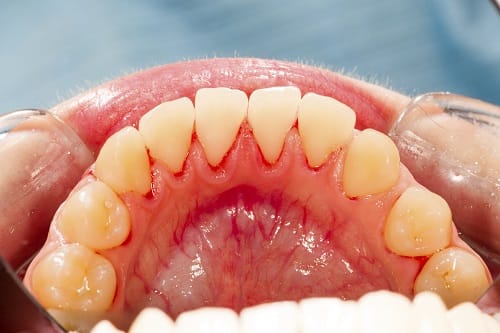
Gum disease involves swelling and reddening of your gums, which makes them sore. Additionally, gum disease causes your gums to bleed when brushing, which in turn is a cause of bad breath. Gingivitis is the early stage of gum disease. When it goes unchecked, it leads to periodontitis, where the tissues surrounding your teeth get infected and deteriorate. The next phase of gum disease involves bacteria infecting your jaw bone. It eats into your jaw and creates a void under your teeth, which cuts off their support. This lack of support causes them to fall out. To avoid all this, you must start your gum disease treatment immediately.

Gum Disease Treatment

Gum diseases come as a result of poor dental hygiene in most cases. Therefore, to begin your treatment, we recommend you first improve your dental hygiene. Habits such as regular brushing and flossing can significantly improve your oral health. If your gum disease needs intervention, our professionals are capable of handling it. Early treatment of gum disease involves scaling and polishing, followed by root planning.

Scaling and Polishing

Plaque buildup on the teeth is one cause of gum disease. Therefore, during scaling and polishing, our professional t will remove the hardened plaque and polish them using special instruments in a process called the “professional clean.” Your teeth will also be free of stains after this.

Root Planning

If the bacteria has spread to your deeper tissues, we will conduct root planning. Root planing involves cleaning the tissues around the roots of your teeth. Our professionals will include the use of anesthesia which makes it more comfortable for you. Therefore, early diagnosis and treatment of gum disease are vital to your dental and overall health. Prevent further damage to your teeth by booking an appointment with us. Don’t hesitate to contact us for any additional information regarding your oral health.


Recent articles

July Blog 2025 Can Gum Disease Be Reversed Can Gum Disease Be Reversed?
July Blog 2025 How Your Summer Eating Habits and Diet May Be Affecting Your Teeth How Your Summer Eating Habits and Diet May Be Affecting Your Teeth
Beyond the Jaw Other Medical Uses for Botox Beyond the Jaw: Other Medical Uses for Botox

Book your appointment today.

70 Glen Cove Road, Roslyn Heights, NY 11577
Call our office at (516) 240-9072.
Book appointment
Jutkowitz Periodontics & Implantology logo ko
  • All-on-4® by Nobel Biocare
  • Botox Fillers
  • Dental Implants
  • Emergency Dentist
  • Fillings, Crowns & Bridges
  • Gum Treatment
  • Implant-Supported Denture
  • Periodontics
  • Sedation Dentistry
  • Sleep Apnea Treatment
  • Teeth Whitening
  • Tooth Extractions
  • Find a dentist near you
  • Privacy policy
  • Notice of Privacy Practices
  • Site map

© 2026 Jutkowitz Periodontics & Implantology. All rights reserved. The above-listed practice complies with applicable Federal civil rights laws and does not discriminate on the basis of race, color, national origin, age, disability, or sex. Notice of non‑discrimination.

(516) 308-2995