
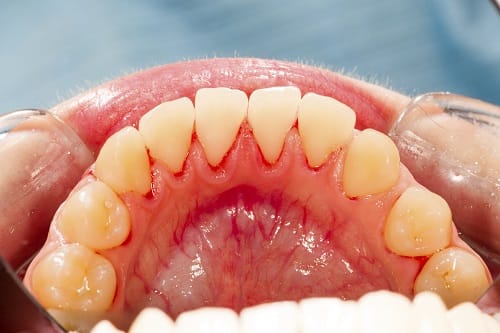
What is the Main Cause of periodontal Disease?
If one has gum disease, there is much discomfort and uneasiness; one might feel pain when having cold and hot drinks and difficulties in chewing; therefore, once a patient can observe these signs, they should seek medical treatment.
How is gum disease diagnosed?
During the routine checkups, the dentist should do the following; the gums have measured by the periodontist using a periodontal probe where the depths of the pockets surrounding the teeth should be done at least once a year. An ordinary gum should have a width of 1-3 mm beyond that; the periodontist always knows there is a severe condition, taking dental x-rays, checking for the loose teeth, checking the gums, and examining the sensitive teeth.
What treatment is available for gum diseases?
Many things can bring about gum diseases. If it results from one lifestyle like smoking, the patient should first do away with it. They are brushing and flossing regularly after the patient has visited the periodontist and the tartar and plaque were removed. One should brush with a toothbrush that has soft bristles, and brushing should be done three times a day and after every meal. Use the correct mouthwashes according to your periodontist. They should prescribe the proper mouth wash for one to use it should be able to get rid of the bacteria in the mouth. Laser therapy increases the health of a gum.
The treatment treats the gum pocket with a soft laser which eliminates bacteria in the mouth, the unhealthy tissue is removed, and healing takes place, root planning and scaling. This is a surgical procedure where the gums are numbed and lifted back to expose the teeth, and reshaping the gum is done. Local anesthesia is applied. Soft tissue grafts where the grafts cover the root surfaces of the teeth.
Periodontal disease or gum disease is a severe infection that affects the gums and tissues. If left untreated, it can damage the bones which support the teeth. As a result, the teeth will loosen, leading to tooth loss. The good thing is that periodontal disease is preventable by practicing good oral hygiene. This consists of brushing your teeth twice daily and flossing at least once a day. Besides, regular dental check-ups can help identify this disease at its early stages. This will prevent the disease from developing further and increase the chances of successful treatment.
What are the main causes of periodontal disease?
The mouth is full of bacteria that create a sticky, colorless plaque on the teeth when they interact with mucus and other particles. Daily flossing and brushing can help to prevent the build-up of plaque. If the build-up plaque stays on the teeth for an extended period, it hardens, forming tartar. The tartar is difficult to remove through brushing, and it is only a dentist who can eliminate it through deep teeth cleaning.
The tartar and bacteria will cause gingivitis, inflammation, and irritation on gum tissues beneath the teeth. Professional treatment can reverse gingivitis. If not treated, gingivitis will lead to periodontitis, developing more pockets between the teeth and gums. These pockets will be filled with bacteria, plaque, and tartar, making them deeper with time. These deep infections can lead to tooth loss and eventually damage the bone.
What are the symptoms of periodontal disease?
Periodontal disease has numerous signs, such as red or swollen gums and bad breath that doesn’t go away. You may also experience tender or bleeding gums, painful chewing, new spaces developing between the teeth, sensitive teeth, loose teeth, and pus between your gums and teeth. Other symptoms include a change in how the teeth fit together when biting and spitting out blood when flossing or brushing the teeth.